

Having trouble knowing exactly when you have ripe pluots or plumcots in your fruit drawer? Follow our tips below to help you know when the timing is perfect for the best flavor.
📋 What's New In This Post (8/19/25) - Added a table describing different varieties of pluots along with some new pictures.
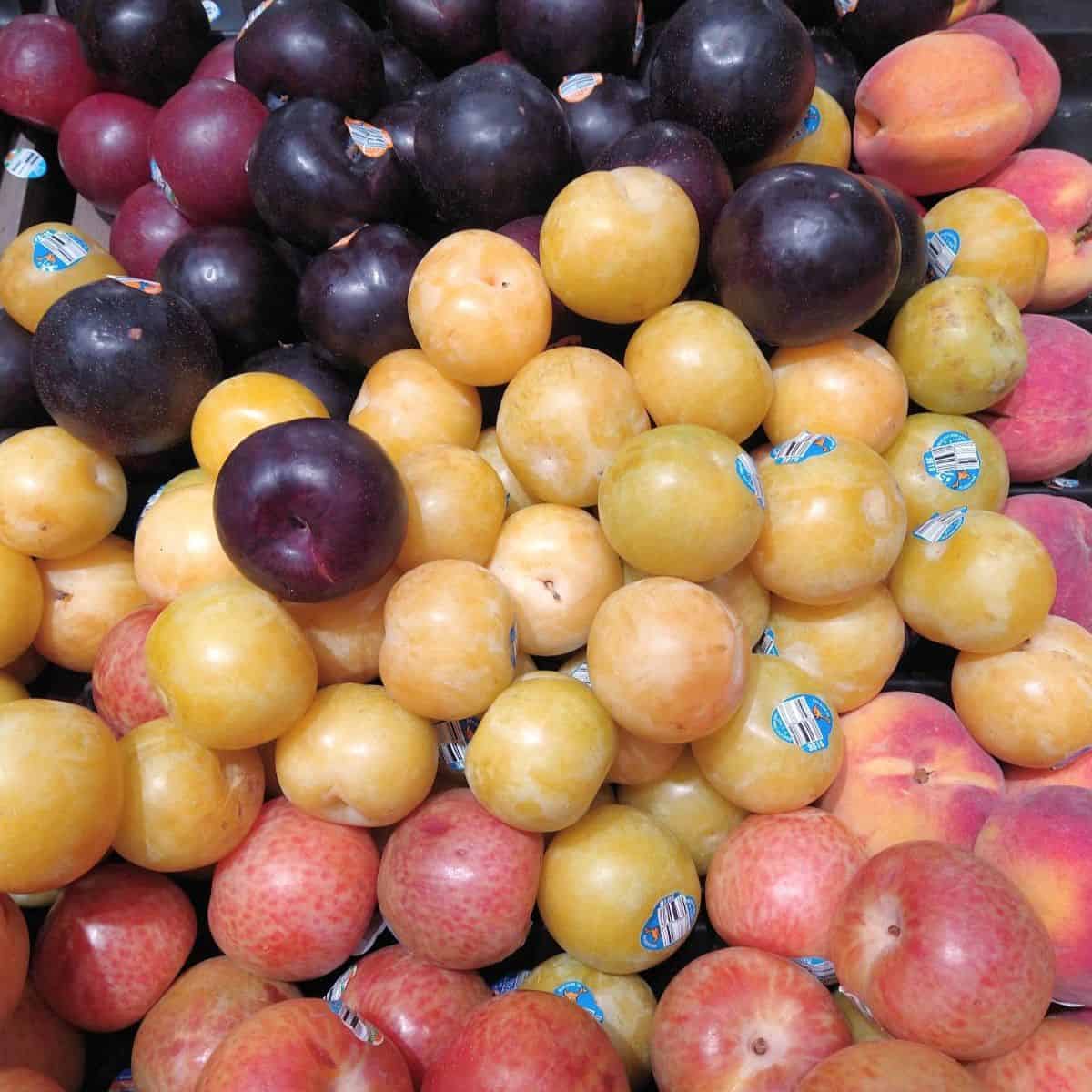
A Guide to Knowing When Pluots are Ready

It's always disappointing to bite into a piece of fruit only to find out it isn't ripe. The flavor just isn't there, and more often than not the sourness takes over. The truth is, not all fruits are ready to eat the moment you bring them home from the store. Knowing when they're at peak ripeness makes all the difference.
Pluots (or plumcots) are a perfect example many people aren't quite sure how to tell when they're ready. Over the last 5-6 years, I've had plenty of pluots. At this point, I'd guess I've tried at least 30-40 varieties, if not more. One of my best experiences was with a vendor at the farmers market in Irvine, California, who offered samples of probably a dozen of different types. That's where I really started to understand their differences.
In this post, I'll share the signs that a pluot is ready to eat, plus a look at some of the different varieties I've come across, since not all pluots ripen in the same way.

Jump to:
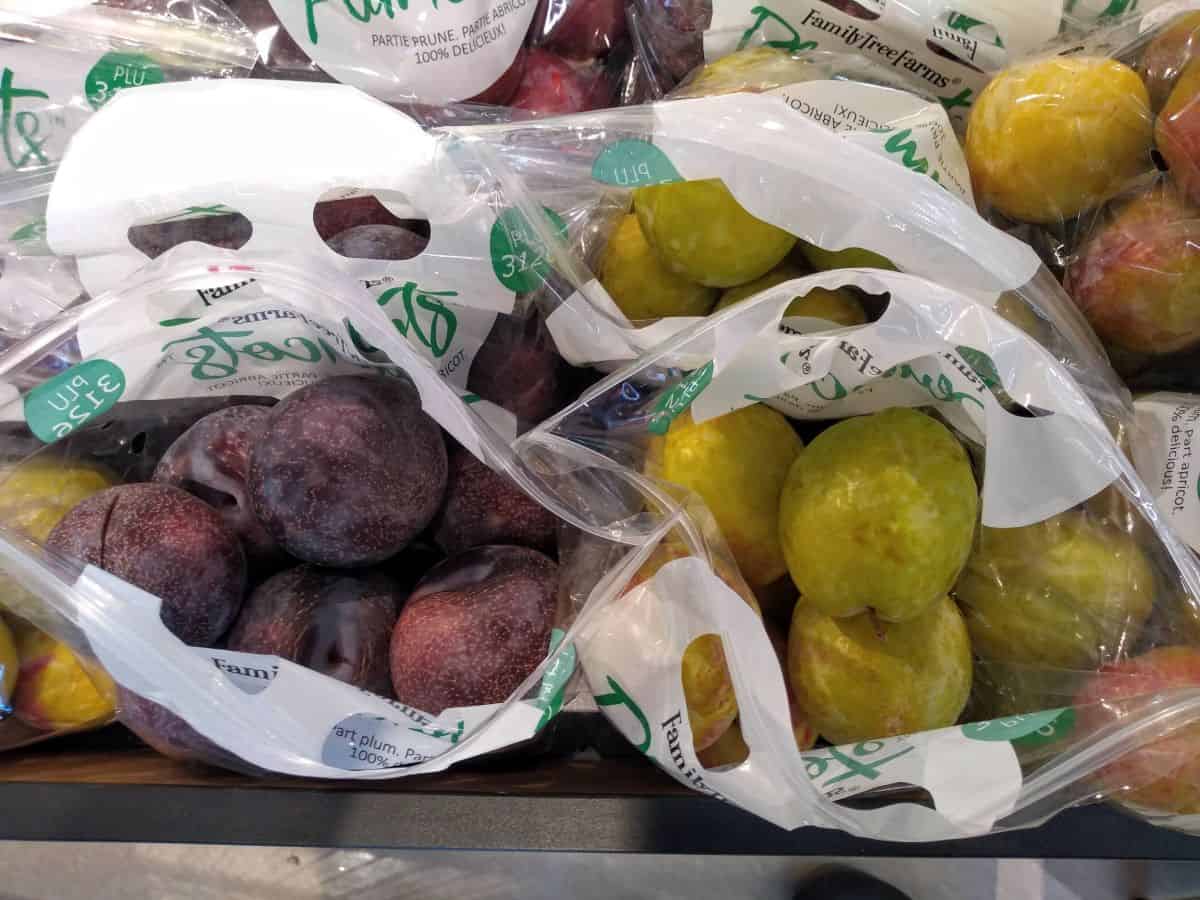
❓ How to Tell When Ripe
Pluots or plumcots are a plum-apricot hybrid fruit that combine traits of both plums and apricots (sometimes even cherries, peaches, or nectarines!). They tend to exhibit more characteristics of plums than apricots where as an aprium is more apricot than plum. Today we are talking pluots so we want to think more plum than apricot.
Both pluots and plumcot are names used in marketing. I originally thought plumcot would be a 50/50 mix of plum and apricot but I think that term has gotten a little blurred over the years. Often the terms are used interchangeably. I tend to say pluot more often, it's the term invented by renowned stone fruit breed, Floyd Zaiger.
💡 Top Tip - Gently feel the top of the fruit. It should give a little bit to very gentle pressure.
The rest of the fruit may feel firm still but the pluot should be ready to eat. You may see a bit of wrinkling on top. The fruit is still good as long as it appear firm around most of the fruit.
You can take clues from the color of the fruit as well. Pluots that have a rich color tend to be more ripe. Color only shouldn't be the determination, but it helps. When I buy yellow skinned pluot varieties, they tend to turn more golden color as they ripen.
If the pluot gets really soft, it feels more like water balloon, than it's overripe. It will be sweet and juicy but hard to eat without making a huge mess. And the texture will be really soft that it will explode like a balloon in your mouth. They are still edible at this point and maybe some like them when they are this soft. I don't like eating them out of hand at this point however they could still be used in desserts or just drip that juice over some vanilla bean ice cream.
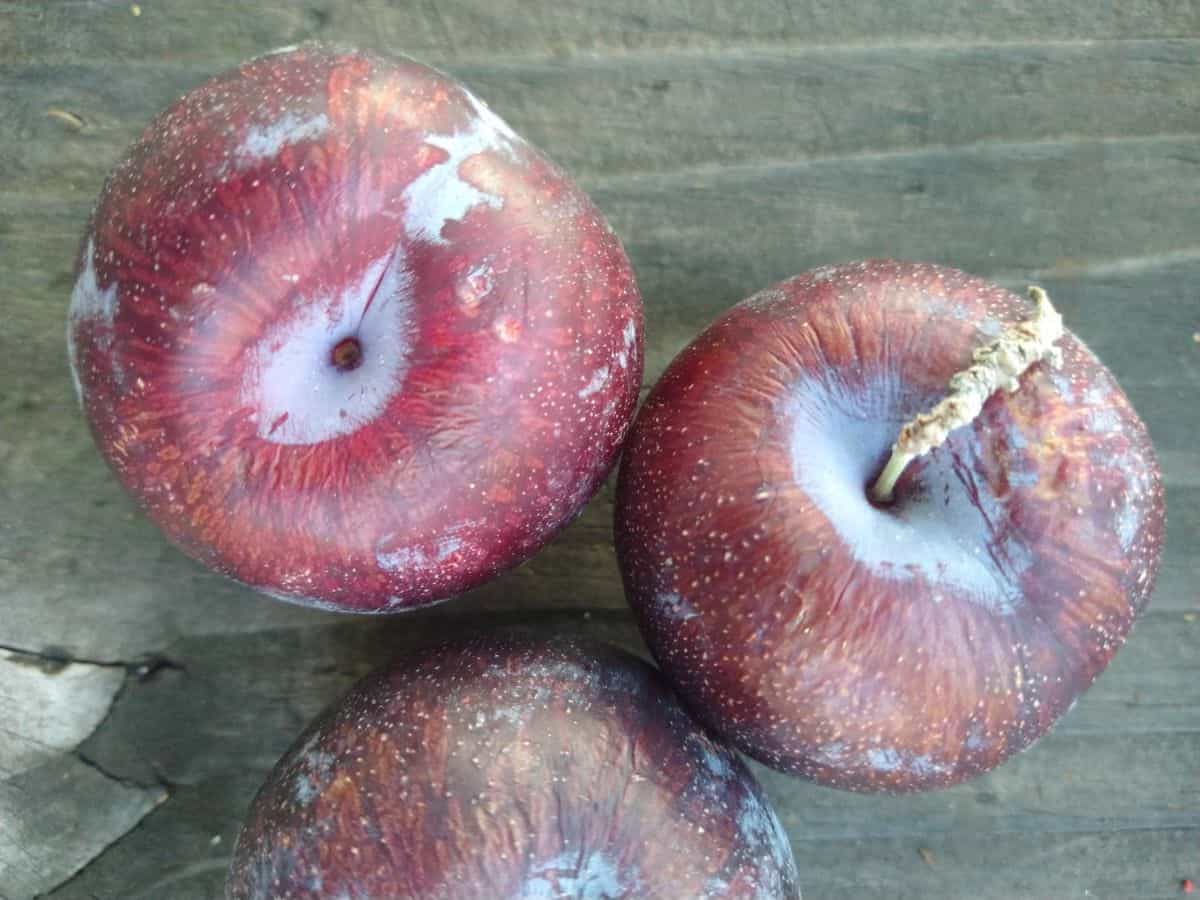
In summary, the perfect ripe pluot will:
- Have slight give when you press the top.
- May have some wrinkling around the stem end.
- Turn a more rich, vibrant color - in some varieties.
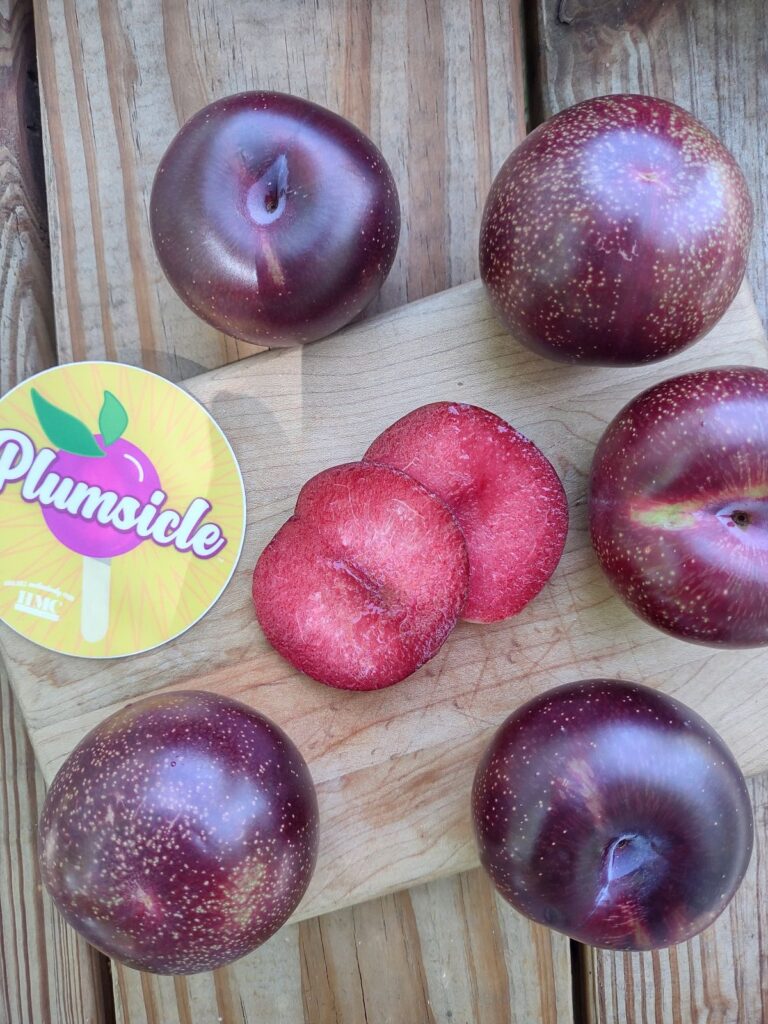
📋 Ripen by Variety
You also need to keep in mind that the variety of pluot matters. Here is a table with some info on commonly found pluot varieties.
| Variety | Texture of Ripe Fruit | Color | Sweetness |
| Flavor Grenade | Firm | Yellow/red | Sweet, crunchy |
| Dapple Dandy | Slight give | Molted pink/brown | Sweet, juicy |
| Plumogranate | Soft | Dark purple, almost black | Sweet, soft |
| Dapple Fire | Slight give, mostly firm | Molted pink/brown | Sweet, smooth |
| Plumisicle | Slight give | Deep maroon | Very sweet, candy-like flavor |
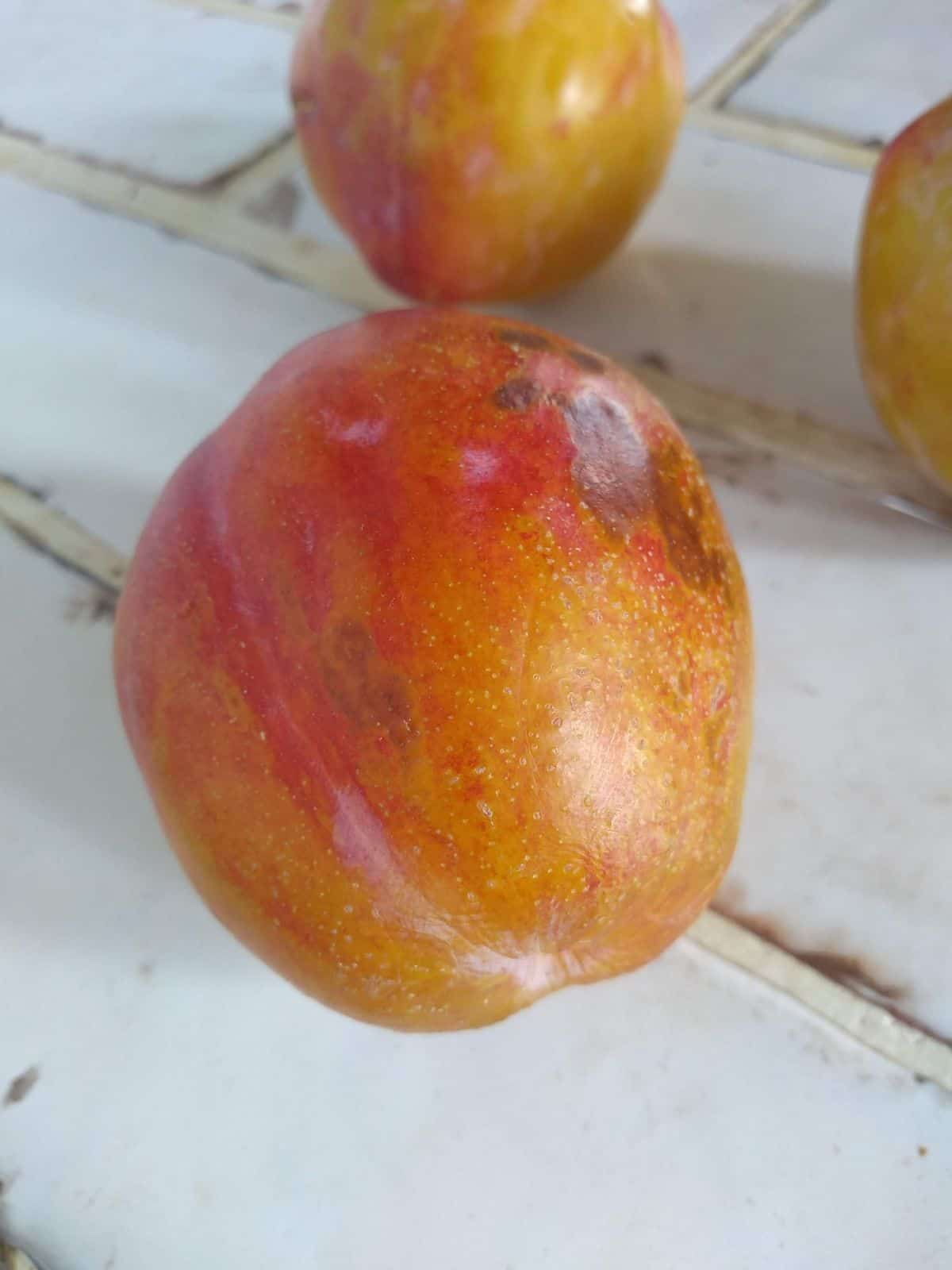
The Flavor grenade pluot pictured above is probably the prime example of how eating a pluot can change with variety. These ones you can get when they are really firm, even crunchy and they will have a delicious sweet flavor. They turn from yellow to more red and as they do they will get softer. It's a variety that you need to decide how you like them best, almost like picking how ripe you like a banana.

⌚ How Long Do They Take to Ripen
When you buy pluots at the store, how long does it normally take to have ripe fruit? Rarely do I get them at the store when they are ready to eat. Be ready to wait 2-3 days on average in my experience but it could be sooner or later as well. It depends a lot on how long the fruit sat on the grocery store display.
🏆 Best Way to Ripen
Never but the fruit in the fridge before it's soft. They won't ripen that way. Instead keep them at room temperature in a dry, dark place. If you wish to speed up the process, seal them in a brown paper bag. To even further that process you can add in a single banana. The gas that the bananas naturally gives off will help ripen the pluots.
👎 How to Tell if Bad
If you set any moldy spots then I would throw the whole fruit out. As I said above even if the fruit is as soft as a water balloon it can still be eaten just as long as it isn't moldy.
Never leave the pluots in the plastic bag from the grocery store. This could trap moisture next to the fruit which would cause it to go bad prematurely.
RELATED - Did you know that August is peak season for pluots? Want to learn more about when they are available? Check out my post on when pluots are in season.
📧 Email Sign Up
Want to learn more about when the best fresh fruits are in season? Sign up to receive our emails below.
Leave a Reply