

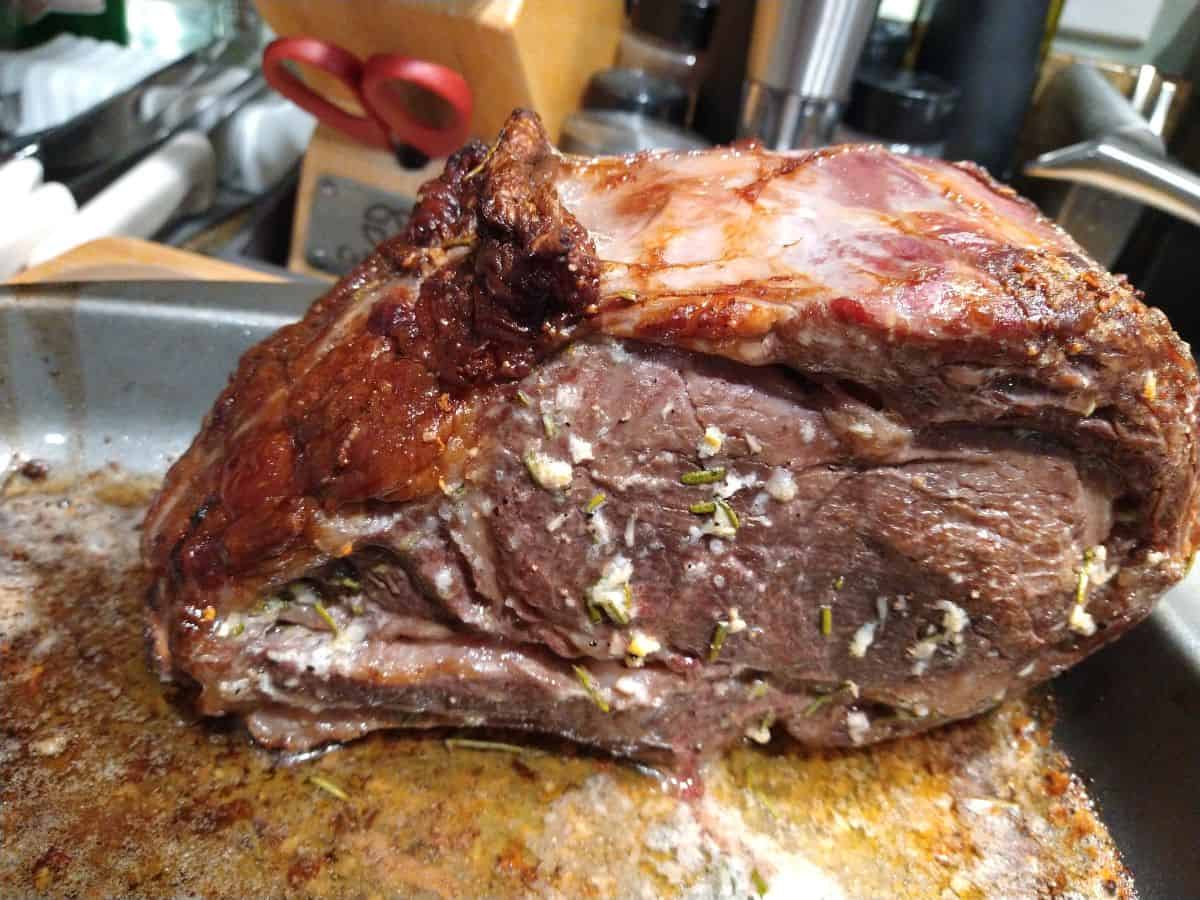
Want to season your standing rib roast? There are many herbs and spices you can use, and in this guide, I'll show you 14 options to consider. I'll also share a step-by-step approach so you can customize the flavors to your taste. My favorite spices come from Burlap & Barrel, which I use in my own roasts.
📋 What's New In This Post (12/9/25) - Added a section on how to apply your seasonings to the roast.

This post includes affiliate links. This means that, at no additional cost to you, I will earn a commission if you click through and make a purchase. These are products and services I recommend because I use or trust them. Cookies will be used to track the affiliate links you click.
Your Guide to Seasoning the Perfect Rib Roast

Got plans to cook a rib roast at home? Many people do this for the holidays, and it's a great time to buy one since you'll often find sales.
Seasoning doesn't have to be complicated. Many recipes just call for salt and pepper, but if you want to add more herbs and spices, I'll share my favorite options. I
I will also share the tips I've gathered over the years for applying seasonings so your roast turns out as flavorful as possible.

Jump to:

Herbs
Let's start with talking about what herbs I think are best for a rib roast.
- Rosemary
- Thyme
- Sage
- Oregano
- Tarragon
- Bay Leaves
If you aren't familiar with tarragon it adds a subtle licorice like flavor similar to fennel. I use sage more often in turkey brines but it can go with beef as well.
In my opinion if you are going to season your roast with just one other thing besides salt, then it would be rosemary. The woodsy flavor of rosemary fits so well with the savory flavor of beef. I never cook a rib roast without some rosemary. This brings up an important question:
Fresh or Dried?
You can use both but there are situations in which I prefer using fresh or dried. If I am making a rub to put on the roast, I am going to go with dried rosemary. If I am going to rub some butter on the roast in the final minutes of cooking then I am going to include fresh rosemary.
If you are in the market for some dried rosemary, try the Limestone Rosemary from Burlap & Barrel. This one is grown in Provence, France known for it's limestone-rich soil that produces a rosemary with a complex flavor with notes of citrus.

When it comes to using Bay Leaves, I prefer to go with dried ground leaves as I think they add flavor better than the whole dried leaves. It's one of the few things where I think having pre-ground is best.
I found some ground bay leaves that I love from Burlap & Barrel. That have two options:
Herb Butter
At the very end of the cook time, I like to add a mixture of butter and rosemary. This adds incredible flavor. This is when I opt for the fresh herb.
🧈 Use 2 teaspoons of chopped fresh rosemary with 1 stick of butter. Melt the butter ahead of time and then add in the rosemary. Place into a covered bowl into the fridge to harden. Bring it out of the fridge to bring it to room temperature before brushing onto the rib roast in the last 10-15 minutes of cooking. I always prepare the rosemary butter ahead of time.
Spices / Powders
We got the herbs covered, let's talk about the spices. I am also including "powders" in this list that aren't true spices, such as garlic powder.
- Peppercorns
- Cumin
- Ground Coriander
- Celery Seed
- Garlic Powder
- Onion Powder
- Shallot Powder
- Mustard Powder
Don't use things like garlic salt, onion salt, celery salt, or anything that is salt with something else. It's hard to judge how much salt that is and I would rather you use a quality salt like Redmond Real Salt along with garlic powder. Rarely ever do you find a garlic salt or onion salt that is using quality of either ingredient.

With a rib roast I always put pepper on it to start but also have pepper grinder(s) available at the table to add more. I love a ton of pepper on my beef and I love giving my guests the option to add more.
My favorite two types of black pepper are:
- Zanzibar Black Peppercorns - Known for it's lemony flavor, these peppercorns won a good medal from Monde Selection.
- Robusta Black Peppercorns - These peppercorns have a classic pepper kick but with bold flavor coming from being allowed to fully ripen on the vine. The name comes from the peppercorns being grown alongside Robusta coffee in Vietnam.
To learn all about the different types of peppercorns, you need to read through my post - What are the Differences Between Peppercorns? It's one of the most popular posts on my blog over the years.
Cumin is used a lot in Mexican cooking. We use it all the time in beef tacos, so it's a great choice as well for a rib roast. This is the cumin I use:

This is a cumin that is collected in wild in the mountains of Afghanistan. No other cumin I have tried can even compare to the flavor of this one.
How to Apply The Seasoning
Once you have all your seasoning picked out here are my steps to add it to your roast.
- Place all of your seasonings into a bowl. You want to have them all ready to go before you get your hands dirty by touching the roast.
- It is important that your roast is dry when you add your seasoning. Get out some thick paper towels and dab off any excess moisture on the roast.
- Once your roast is dry, you will then rub your seasoning into the roast. You want to massage it into the roast. Don't miss the bone side as well. The seasoning should be everywhere.
- Your roast is then ready to go in the oven.
Those are the basic instructions, but here are a couple optional things you may want to consider:

- Did you know that you can do a modified version of dry aging in your own home? Grab yourself some cheesecloth and wrap your rib roast before cooking. Season your roast first before adding the cheesecloth. I have done this 4 days before I cooked the roast and it came out amazing.
- An option I recently saw Alton Brown in a video on YouTube is to rub beef fat all over the roast. This helps all the seasonings to stick better. You just need a thin layer. He advises you rub on 2 tablespoons of beef fat all over the roast before you add any seasonings to it. I bet you could also use bacon fat, which is something I save every time I cook bacon.
How Much Seasoning Do You Need?
Let me share with you how much seasoning you will need based on whether you are cooking a 3-bone roast or a 4-bone roast. These are the most common options.
| Seasoning | 3-Bone Roast | 4-Bone Roast |
| Kosher salt | 2 tablespoons | 2 tablespoons + 2 teaspoons |
| Pepper | 1 ½ tablespoons | 2 tablespoons |
| Other spices & dried herbs (total combined) | 5-10 teaspoons | 7-12 teaspoons |
More Roast Tips
Before you go, here are some other tips on roasts that you need to read.
- Did you end up buying a rib roast and freeze it for later? Check out my post on How Long to Thaw a Rib Roast and be sure your roast is thawed and ready to cook when you need it.
- Not sure where you will buy your next rib roast or want to get some more ideas on what stores sell them and how much they cost? Read Where to Buy Beef Prime Rib in Store? One of my favorite places to buy a rib roast is Costco.
- Planning to cook a rib roast for Christmas or another event? Learn How Far in Advance You Can Buy a Rib Roast.
What is your favorite way to season a rib roast? Leave me a comment below and share. Or if you have any rib roast questions I haven't answered yet, use the comment section to ask anything.
Leave a Reply